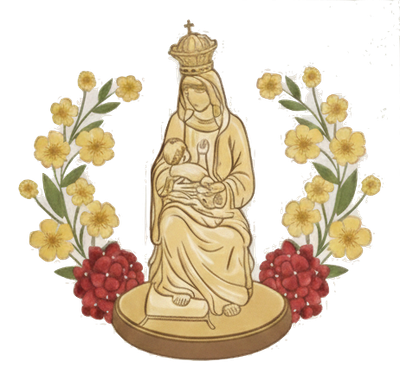
STO. NIÑO de CEBU and the Contrabandidos de la Fe

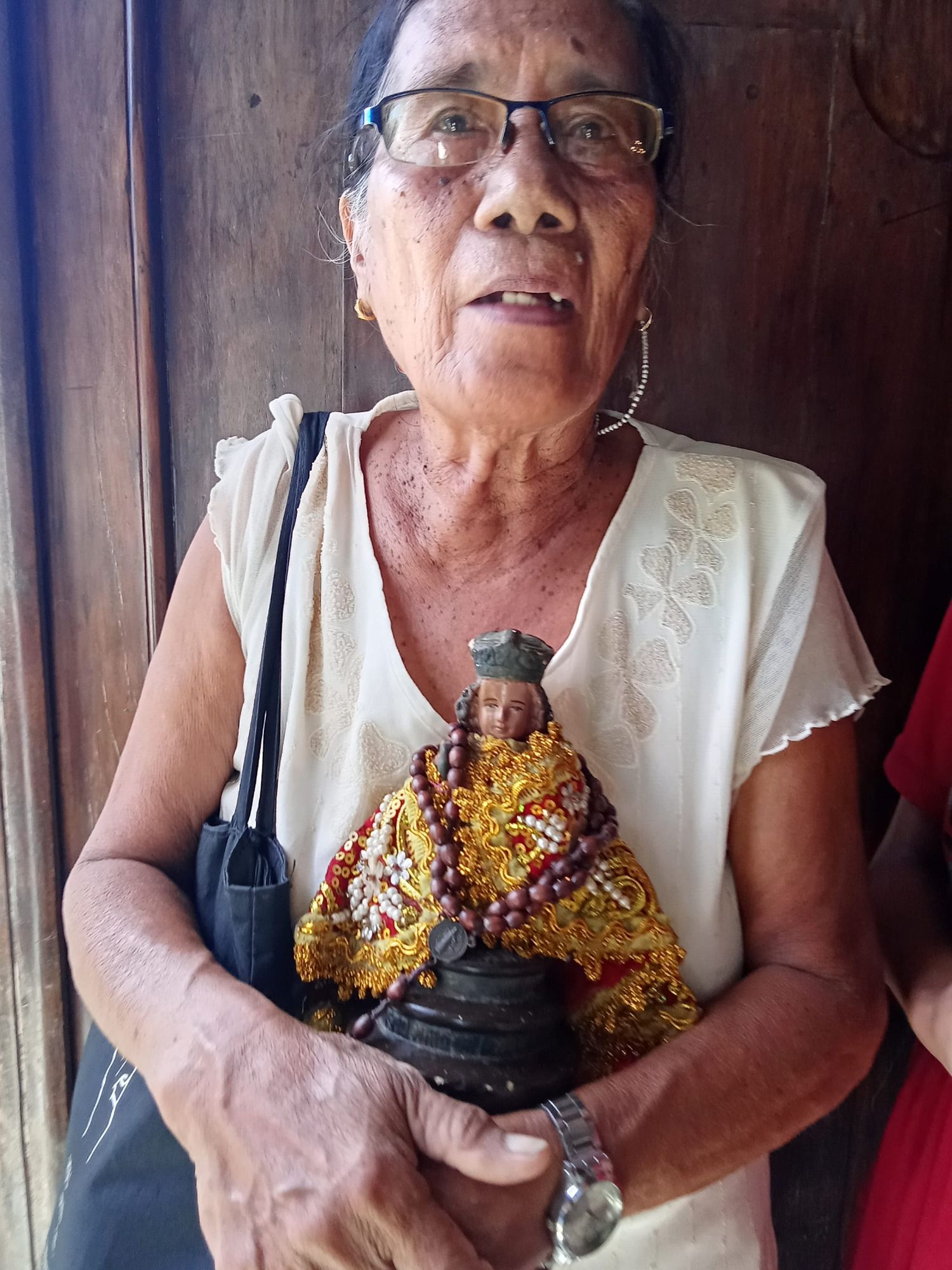
When I read the Pigafetta manuscript, I was intrigued by the Queen of Cebu. She appeared for her baptism with a grand entourage and readily accepted both the sacrament and the statue of the Sto. Niño. History mentions no children of her own; she was described as beautiful and foreign-born, perhaps originating from the nobility of the Majapahit Empire.
What was it like to receive the Sto. Niño from Magellan and Padre Valderrama?
It was written that she was overcome with tears, after seeing the statue and the cross. Had she prayed for a child before their arrival? Did she long for one? If she did, imagine the drama that played out in her life as Queen of the island, now suddenly a mother-custodian to the Child Jesus.
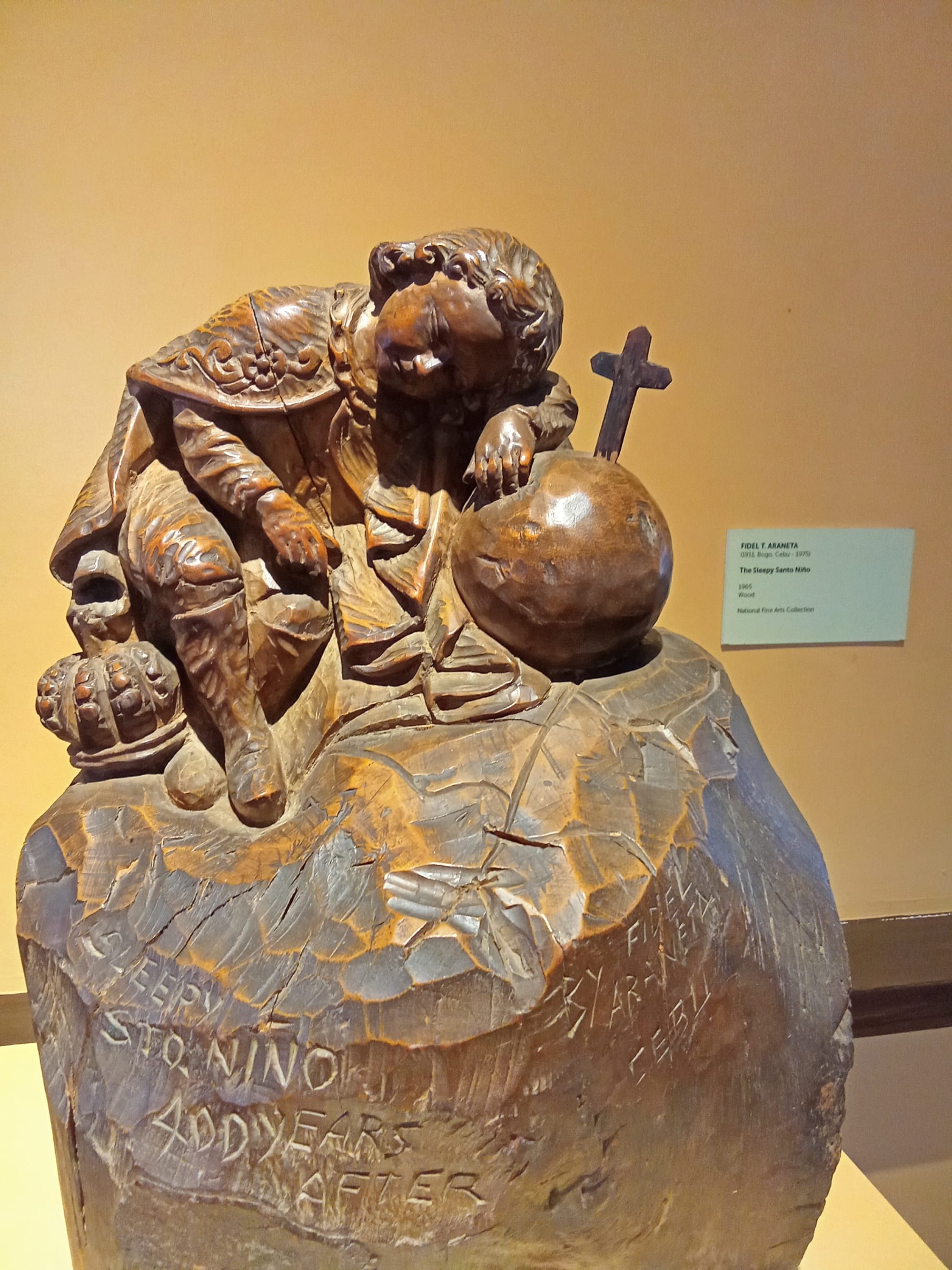
Nick Joaquin pointed out the interlude - the "hidden existence" of the Sto. Niño during the forty years between Magellan’s death and Legazpi's arrival. What a mystery—those unwritten decades, scenes lost to the pages of history.
The Sto. Niño possesses such a beautiful and amiable image.
In stark contrast to the Anitos of that time, the Child must have swept them off their feet. The magnetizing countenance of the Sto. Niño de Cebu is undeniable. One can imagine the Babaylans being either converted by His miracles, or perhaps angered by the loss of their influence before the innocent image of a Child. The Sto. Niño is gentle and generous with daily, extraordinary miracles. The people must have experienced His grace so profoundly that they chose to treasure the image rather than destroy it.
What was the mysterious design of God in arriving on an island that worshipped Anitos?
Why this specific place?
St. Josemaria Escriva, lovingly defined my country as the vanguard of the Faith in the East.
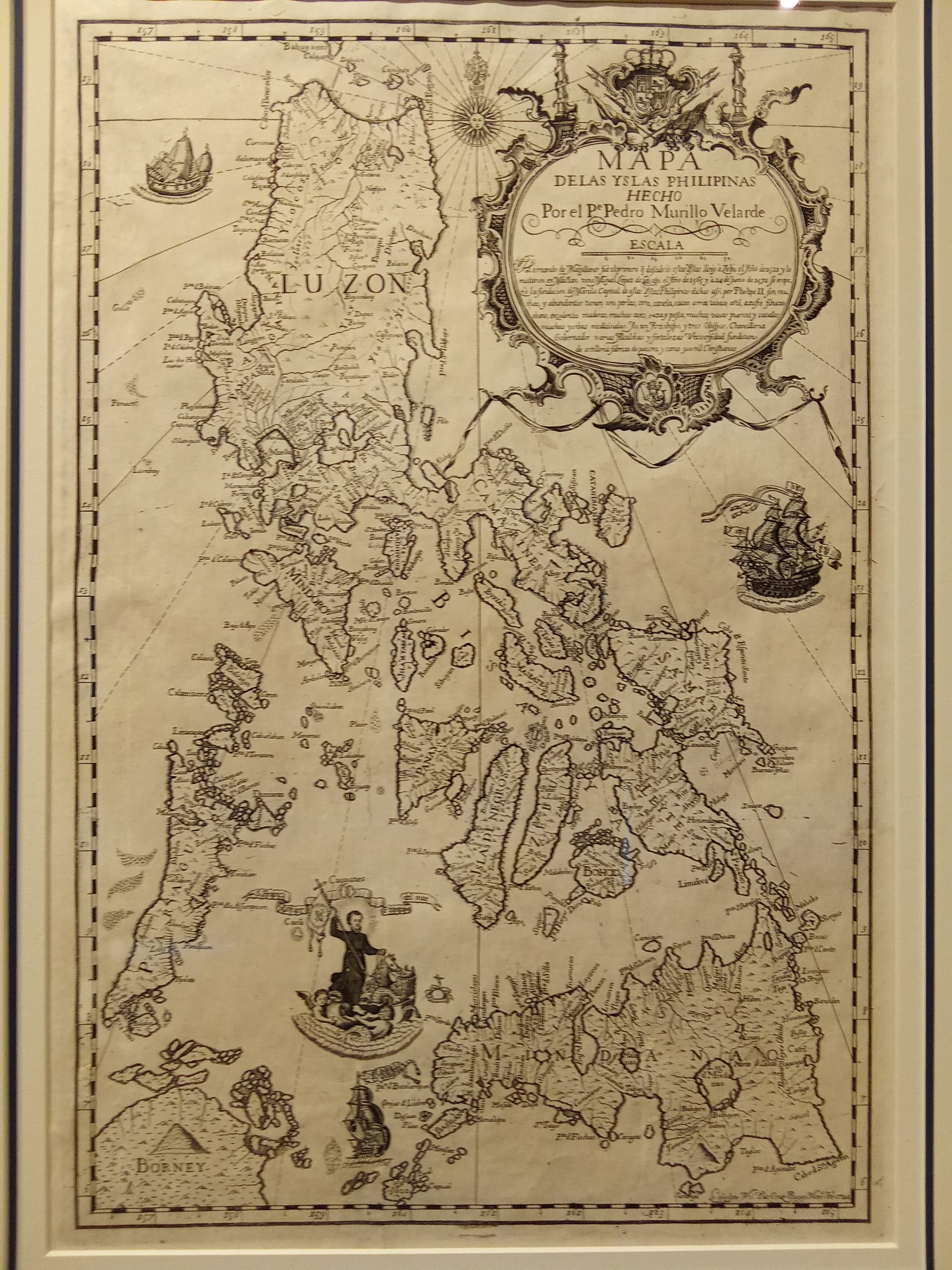
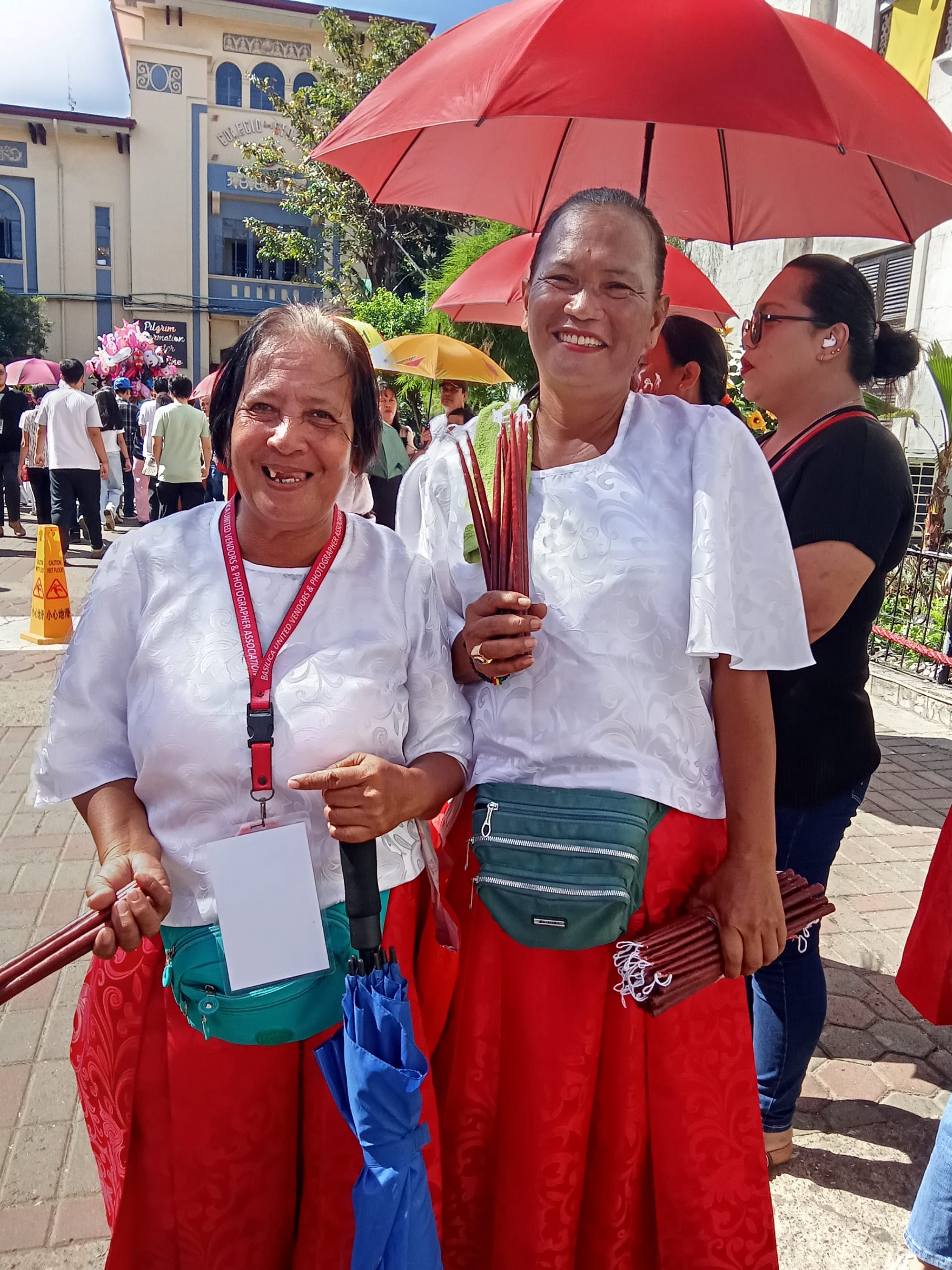
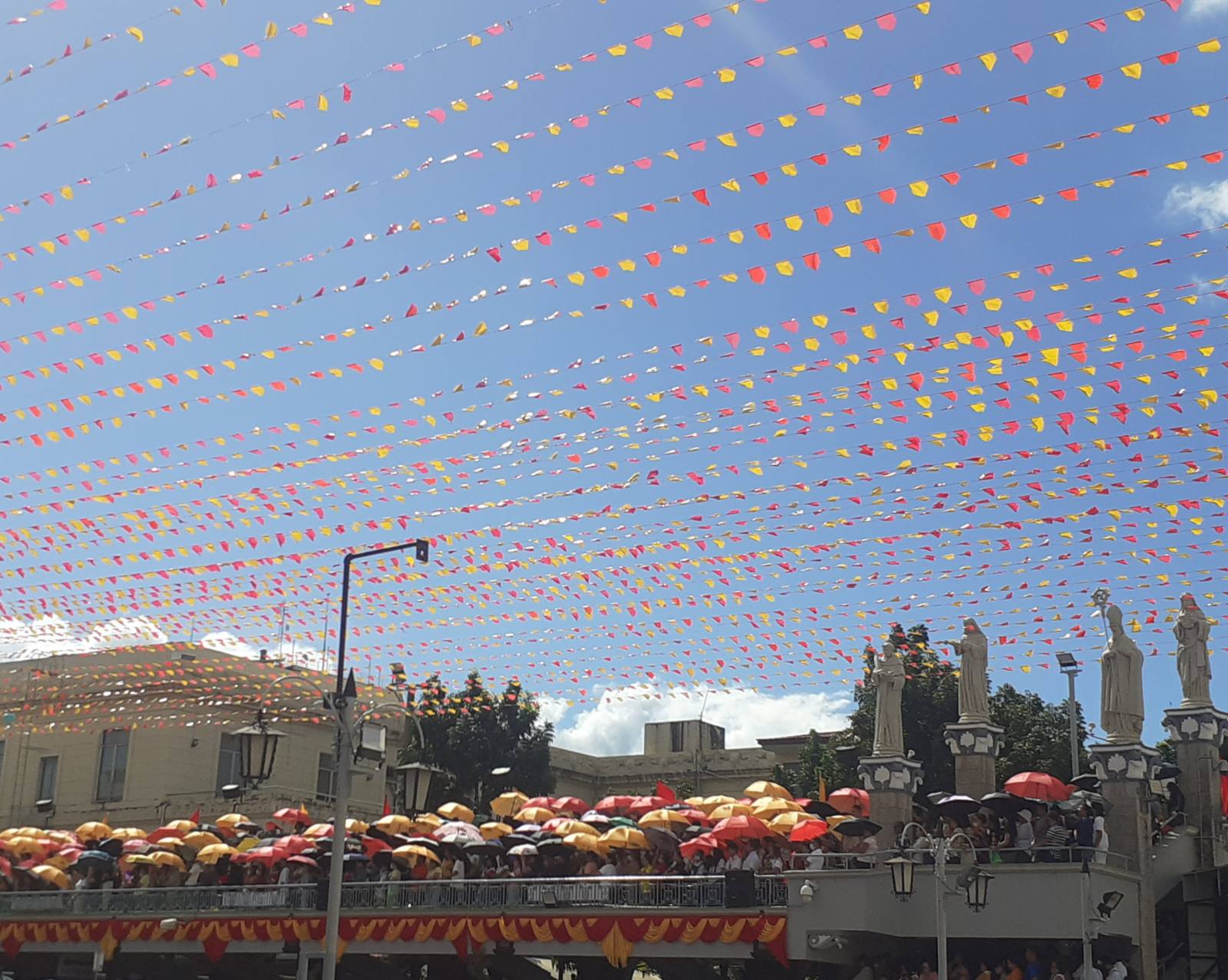
This is Cebu. Our roots go beyond blood and land. We are shaped by the presence of the Sto. Nino.
Cebu, sits at the center of this archipelago called the Philippines.
I am sure you know my people—the Filipinos.
The world is cared for by Filipinos, and their faith goes wherever they do.
In parts of America and Europe, many now celebrate the Sinulog feast in their own communities, cleverly re-introducing the Child Jesus to lands that have become largely agnostic. Bishop David fondly recalled how Pope Francis described Filipinos as "clever bandits, the smugglers of the faith."
From the East, my people have become the new missionaries to a crumbling and dying West. Their hearts are strong, and their bodies are often worn from caring for others, yet their souls cannot help but sing and infect the world with joy for God. My people have a magnetic charisma that draws others naturally to them. Perhaps they are special indeed.What a privilege it is to be called contrabandidos de la Fe.
Sto. Niño, have mercy on us.
Batobalani sa Gugma.
Have Mercy on us. Amen
Member discussion